Spending is up, the portal is raging and the immediate future for college basketball teams at all levels continues to be up in the air as we head into the second half of April and the final week of the transfer portal window.
At Kansas, which is still looking for a bunch of players to round out its 2026-27 roster, things have been quiet thus far but not from a lack of activity. Bill Self and the Jayhawks, like every other coach and program in the country, have been busy strategizing and formulating a plan for how to build what comes next.

College basketball, and, really, sports in general, is a copy-cat business.
See someone run something you like? Grab it and put it in your playbook. Hear about a drill or practice routine that’s getting results, talk to people who have used it to see if you can learn enough to incorporate it in your day-to-day. See roster construction following some kind of unique pattern that you hadn’t considered? Study it and see if it makes sense for you.
On and on it goes. Year after year. And, with college basketball, many eyes tend to look at the teams that most recently had elite success to see if they’re doing something different or particularly effective that can be replicated.
However, there is no one single blueprint for how to have success in college hoops these days. No collection of teams has shown that better in recent years than the group that competed at this year's Final Four in Indianapolis.
Arizona, Illinois, Michigan and UConn all showed different ways to build a winner. And because of that — along with what’s happening in the NIL and transfer portal spaces — we’re now moving forward with more than a few dozen schools armed with the potential for progress and big-time success, which is more than we’ve seen in a long while.
It used to be that the true blue bloods had an advantage over almost everyone. And there may still be some truth in that. But the gap is closing quickly and those blue blood programs are having to work harder and smarter than ever to fight for their place at the top of the sport.
Look at the recent recruiting battle for BYU point guard Robert Wright III, who was one of the best lead guards in the Big 12 Conference last season after moving to Provo, Utah from Baylor, where he was an all-freshman pick during the 2024-25 season.
Earlier this week, Wright visited Kentucky and had many people believing the Wildcats were a lock to land him. Instead, less than 24 hours after leaving Lexington, Wright signed back on for another year at BYU.
These things are happening and they’re becoming more and more common, with fit and financial gain carrying the most weight.
That said, the recently completed Final Four showed us clearly that coaches can still be selective in how they build their rosters.
Take a look.
Michigan – The Wolverines won it all by going heavy in the transfer portal, signing big-money, big-time players who started and excelled all season. Many will look at that as the thing to do moving forward. And, hey, maybe that is the way to go. We don't have quite enough data on that yet, though. And it could be a risky move to throw a ton of money at guys you're counting on to start with the title-or-bust mindset. It worked for Michigan. But that doesn't mean it will work for everyone.
Arizona – Tommy Lloyd's Wildcats showed that freshmen still matter — a lot — with Koa Peat and Brayden Burries being two of their better players all season. What the Wildcats also showed is that a nice blend of freshmen and portal guys can win big, too. Big 12 Player of the Year Jaden Bradley was a portal guy and so, too, was 6-8 forward Tobe Awaka. Add to that the addition of some big-time international talent and the Wildcats were as well-rounded as any team in the country in terms of the way they approached their roster build.
Illinois – All-American point guard Keaton Wagler was another feather in the cap of the camp that says freshmen can still be big pieces of the puzzle. He was sensational and took Brad Underwood's team from solid to spectacular. Like Arizona, Underwood also went big on international talent while sprinkling in a couple of portal additions, though none nearly as impactful or important as Michigan's crew.
UConn – Score one for the old-school crowd, here. Yes, UConn did have an important freshman (Braylon Mullins) and a couple of portal guys, but the core of this team was UConn guys through and through, no one more notable in that regard than all-heart senior forward Alex Karaban. He and guard Solo Ball proved that sticking around and staying loyal can pay off big time, therein proving to other programs out there that that approach can still work with the right guys.
One last thing worth noting here, given the current landscape of college athletics, is that two one of those four programs (UConn and Michigan) had someone on staff who carried the title of General Manager. Arizona (President of Basketball Operations) and Illinois (Director of Player Personnel) both had people on staff whose job descriptions sounded an awful lot like that of a GM.
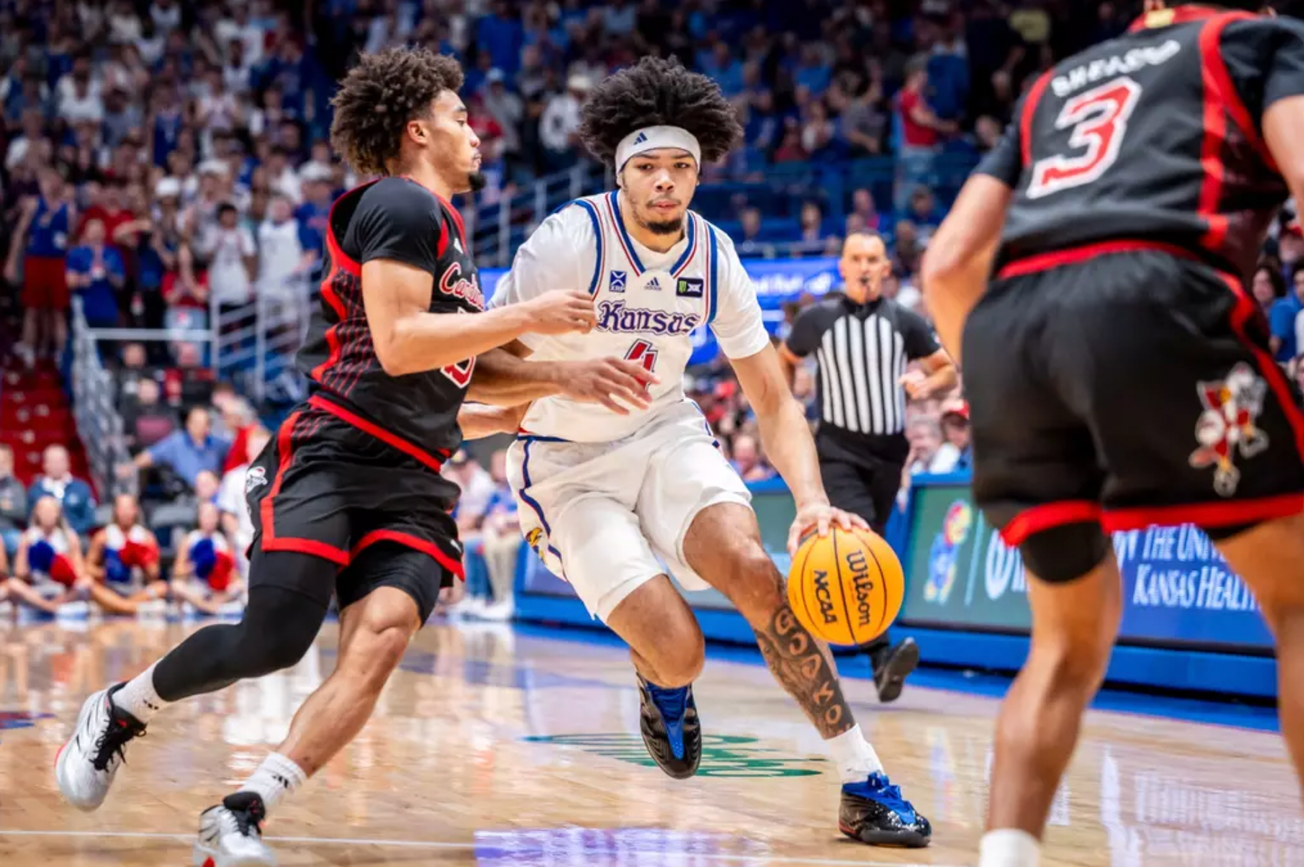
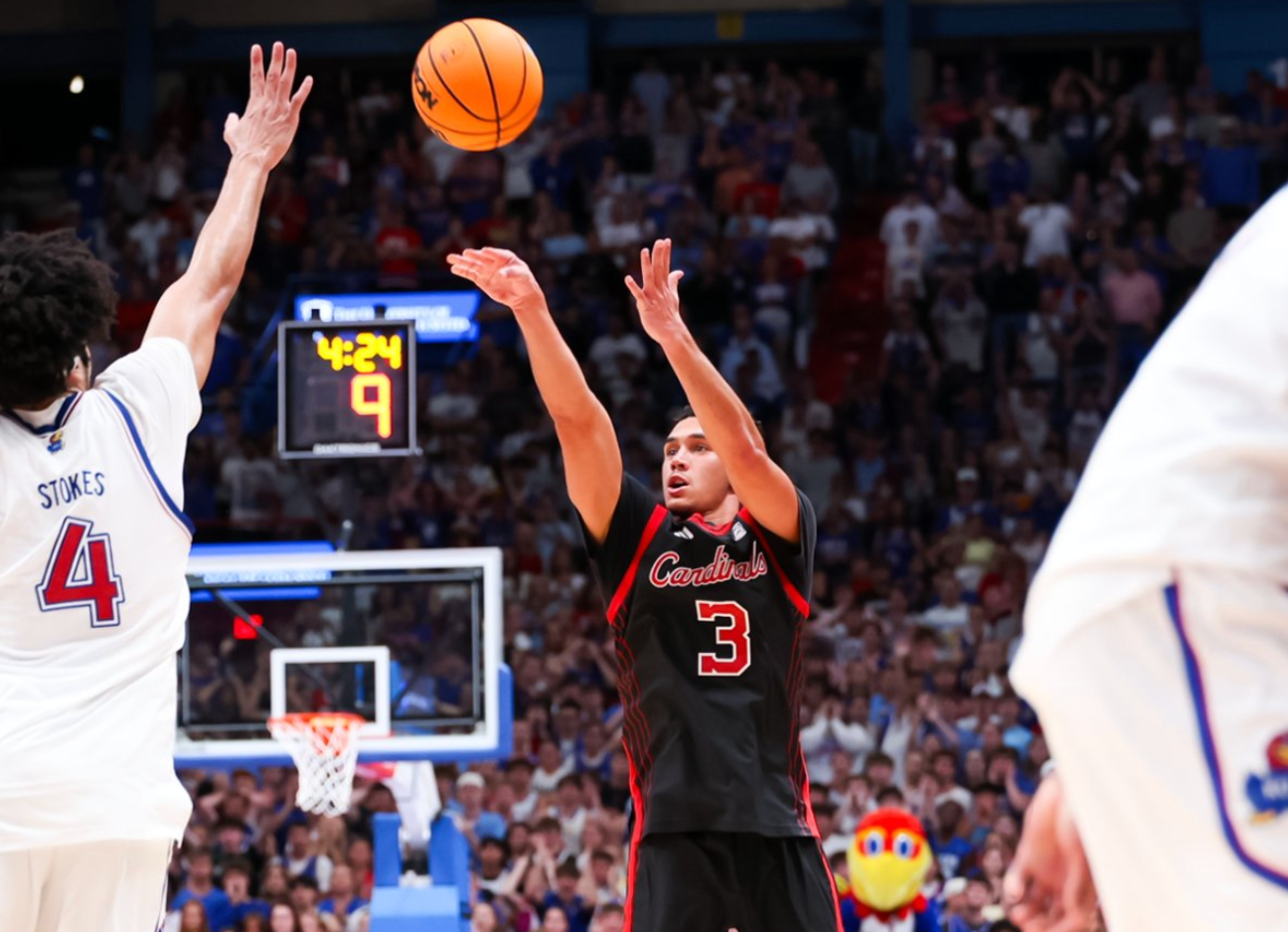
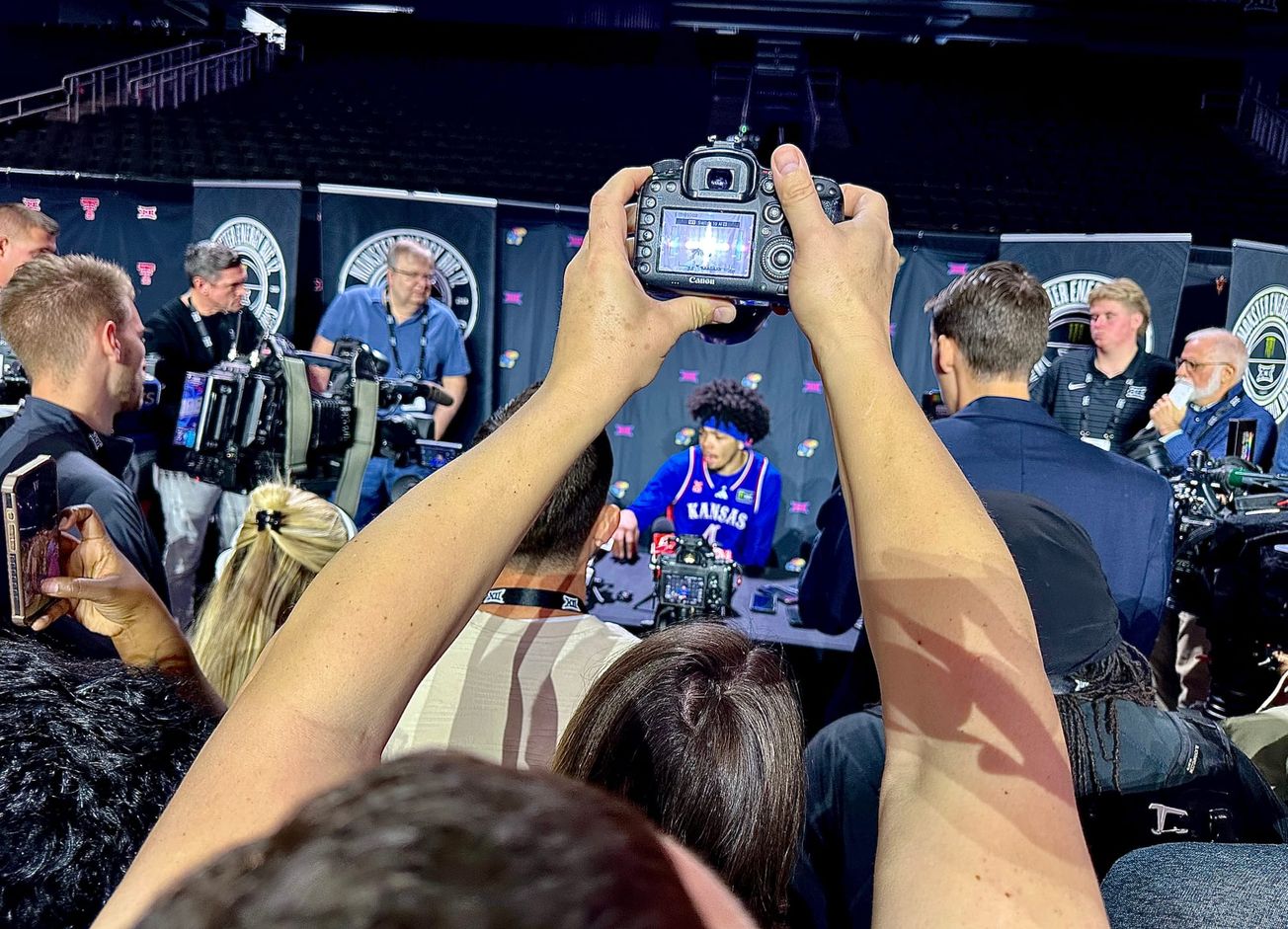
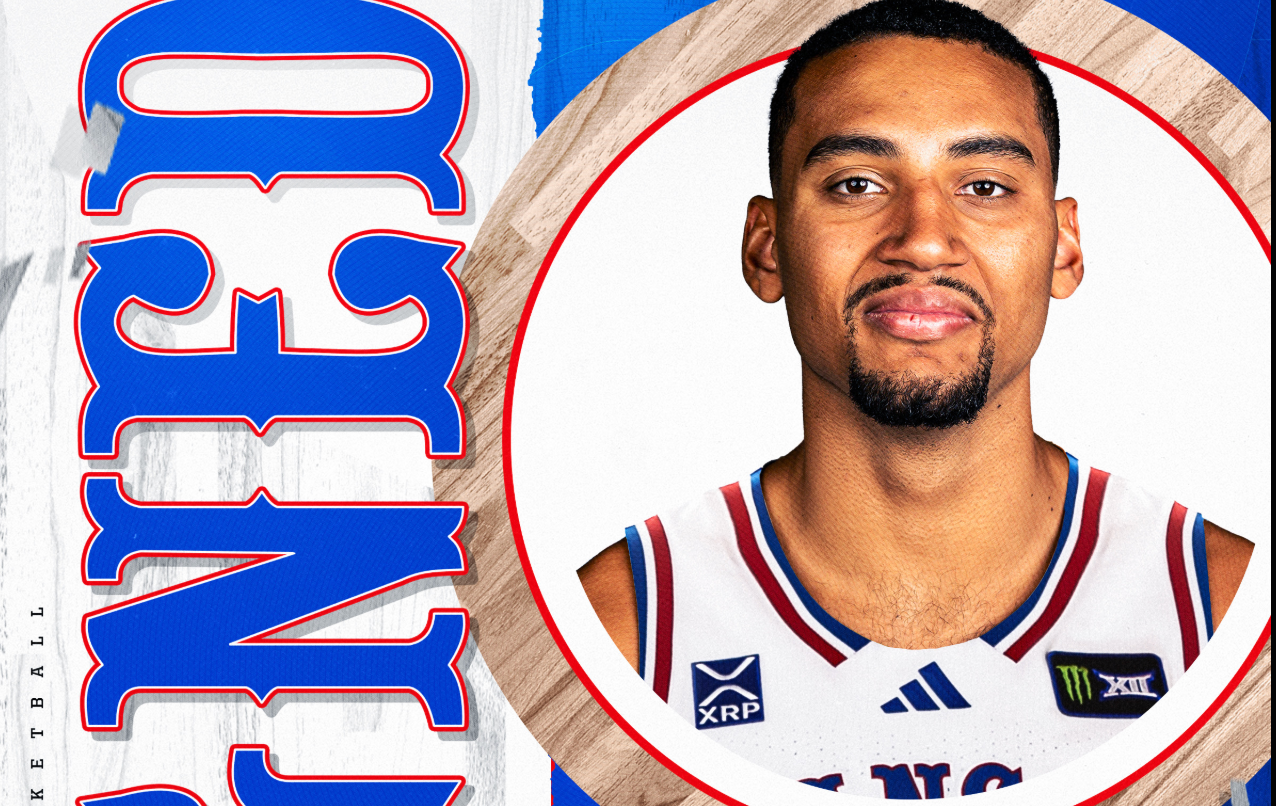
Minus the GM thing, Self, of course, has done all of these things and had varying degrees of success with each of them throughout his 23 years leading the Kansas program. So, whether he relies heavily on freshmen, — think Tyran Stokes, if KU gets him, and Taylen Kinney — hands out most of his minutes to portal players or looks at returner Kohl Rosario as a key piece of his next team, none of it will be completely new at Kansas.
It's just that now, perhaps more than ever, Self and company have the opportunity to do whatever they think is best with the roster build while using recent runs by the teams mentioned above to sell their approach as a way that works to the masses.
Given what we saw last month in the tournament and in Indianapolis, it’s hard to argue with any of it.
— For tickets to all KU athletic events, visit kuathletics.com